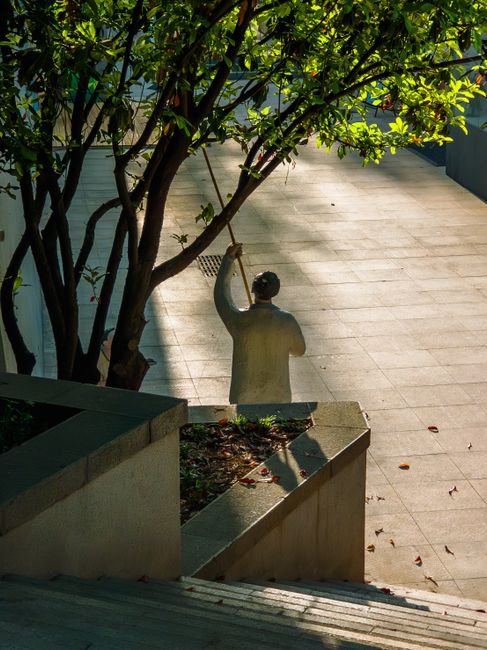
Albert Embankment courtyard gardeners expert care near the river

If you live, work, or manage a property along Albert Embankment, you already know the setting is a bit special. The light changes quickly, the wind can come in off the river without much warning, and a courtyard garden can go from looking composed to slightly battered in what feels like one brisk afternoon. That is exactly why Albert Embankment courtyard gardeners expert care near the river is not just about keeping things tidy; it is about choosing the right plants, the right maintenance rhythm, and the right approach for a waterfront environment.
In this guide, we will look at what expert courtyard care actually involves, why riverside conditions matter, and how to keep a compact outdoor space looking calm, healthy, and genuinely usable through the seasons. You will also find practical steps, common mistakes, a comparison of maintenance options, and a checklist you can use before booking support or planning the work yourself.
Quick takeaway: courtyard gardens near the river need more than standard maintenance. They benefit from moisture-aware planting, wind-smart pruning, regular clean-up, and a steady eye on drainage, structure, and access. Little details matter. A lot.
Why Albert Embankment courtyard gardeners expert care near the river Matters
Albert Embankment sits in a part of London where gardens are often enclosed, shaded by buildings, and influenced by the river corridor. That combination creates a very specific growing environment. Courtyards here may be tucked behind townhouses, apartment blocks, offices, or mixed-use properties. They are usually smaller than a front garden, but they can be far more demanding in terms of care.
Why? Because compact spaces show stress quickly. If drainage is poor, you notice waterlogging almost immediately. If a climber becomes over-enthusiastic, it can dominate a wall in no time. If a bed is planted with the wrong species, the issue becomes visible fast: leaf scorch in exposed spots, mildew in still corners, patchy growth where sunlight is filtered by nearby buildings. Riverside conditions simply make these reactions more pronounced.
Expert care matters because a courtyard is rarely just decorative. In many homes and businesses, it is the one place where people step outside for fresh air, a short coffee break, or a moment of quiet. Let's face it, when the space is only a few square metres, every plant, pot, and paving joint has a job to do.
There is also the question of resilience. A courtyard near the river needs planting that can cope with wind tunnels, fluctuating moisture, occasional debris, and the ongoing wear that comes from regular use. Good gardeners do not just maintain the visible surface; they look at the structure underneath. They think about how water moves, where the sun lands in the morning, and which edges collect leaves or algae after rain.
That sort of care is what turns a tricky urban courtyard into something welcoming rather than high-maintenance. A good result feels easy, but the work behind it is anything but.
How Albert Embankment courtyard gardeners expert care near the river Works
Courtyard gardening near the river works best when it starts with observation. Before pruning, planting, or replacing anything, an experienced gardener will read the space. They will look at the direction of light, the pattern of shade, the movement of wind, the condition of the soil or containers, and the state of paving, decking, edging, and drainage.
In practice, expert care usually follows a simple logic:
- Assess the site conditions. Check how much sunlight the courtyard receives, how often it dries out, and whether water sits in one area after heavy rain.
- Match plants to the environment. Choose species that can tolerate exposure, partial shade, reflected heat from walls, or more sheltered corners.
- Stabilise the growing medium. Refresh tired soil, improve compost in pots, and ensure containers have proper drainage so roots do not sit in water.
- Shape and tidy carefully. Trim growth so it stays proportionate to the space and does not block access, doors, windows, or light.
- Maintain regularly. Small, frequent care is usually better than occasional heavy intervention. In a courtyard, neglect becomes obvious quickly.
That may sound straightforward, but the details matter. For example, a shady courtyard by the river may need softer-textured plants, more moisture retention, and less aggressive pruning than a sunny, wind-exposed terrace. The same plant can perform beautifully in one corner and struggle in another. That is why a one-size-fits-all approach usually falls short.
There is also an important difference between gardening and landscape maintenance. Courtyard gardening is not just about leaves and flowers. It often includes pressure on hard surfaces, limited access for tools, careful handling of pots, and a strong need to keep the area neat without making it feel bare or over-managed. If the courtyard has been designed with seating, planters, or timber features, you may also want broader support from landscape gardening services or even decking care and installation where practical.
For more routine upkeep, the right rhythm usually comes from a broader garden maintenance plan that can be adjusted through the year. That way, the garden is not constantly reacting to problems; it is staying ahead of them.
Key Benefits and Practical Advantages
Good courtyard care gives you more than a tidy view. It improves how the space works day to day. Near the river, that matters even more because the environment can feel exposed or uneven from one week to the next.
- Better plant health: Plants matched to the site need less rescue work and recover more quickly after wind or dry spells.
- Cleaner hard surfaces: Regular clearing of leaf litter, moss, and debris helps keep paving safer and more attractive.
- More usable space: A well-maintained courtyard feels larger, calmer, and easier to sit in or walk through.
- Improved drainage awareness: Expert gardeners spot early signs of pooling, blocked channels, or container overflow before they become a nuisance.
- Better seasonal appearance: A courtyard can look fresh in winter, structured in spring, lush in summer, and still neat in autumn without constant replanting.
- Protection for surfaces and features: Timber, stone, metal, and planting containers last longer when they are cleaned and checked regularly.
There is another advantage people often forget: peace of mind. If you manage a rental property, a residential block, or a commercial courtyard, consistent care means fewer awkward surprises. No one wants to receive a message about a blocked drain or a hedge that has suddenly taken over the entrance. A little attention, done consistently, saves headaches later. Not glamorous, perhaps. Very effective, though.
Expert summary: in riverside courtyard gardens, the best results come from steady, site-specific care rather than dramatic one-off makeovers. The goal is balance: healthy planting, clean surfaces, good access, and a space that still feels human.
Who This Is For and When It Makes Sense
This kind of specialist care makes sense for a wide range of people and properties along Albert Embankment and nearby riverside streets. The setting may differ, but the challenges tend to rhyme.
You may benefit from expert courtyard gardeners if you are:
- A homeowner with a compact garden that needs to stay attractive without becoming a weekend project.
- A landlord or property manager responsible for kerb appeal, tenant satisfaction, and sensible upkeep.
- A business owner with an outdoor courtyard used by staff, clients, or visitors.
- A flat owner with a shared courtyard or amenity space that needs reliable maintenance.
- A hospitality or office operator who wants the space to look polished all year, not just in summer.
It also makes sense when the garden has a few warning signs: plants that keep failing, puddles that linger after rain, paving that keeps getting slippery, planters that dry out too fast, or a layout that feels cramped and awkward. Sometimes people try to "just keep on top of it", and fair enough, that works for a while. But once the space starts fighting back, professional help can be a relief.
If the courtyard has become cluttered, overgrown, or difficult to manage, a broader intervention such as garden clearance may be the right starting point before ongoing care begins. Clearing the backlog first often makes everything else easier. Much easier, actually.
Step-by-Step Guidance
If you want better results in a courtyard near the river, it helps to think in stages rather than jumping straight into planting or pruning. Here is a sensible, real-world sequence.
1. Start with a proper site walk-through
Look at the space at different times of day if you can. Morning light can be very different from late afternoon light, especially when buildings cast long shadows. Check for exposed corners, damp patches, and areas where leaves or silt gather after windy weather.
2. Note the practical pressure points
Ask yourself: where do people actually walk? Which containers are hard to reach? Which plants are struggling repeatedly? Which areas look fine in summer but sparse in winter? Small observations like these shape better decisions than guesswork.
3. Clean and reset the base
Remove fallen leaves, dead stems, weeds in paving joints, and anything that blocks drainage or makes the space look untidy. If hard surfaces are grimy, a careful clean can make the whole courtyard feel brighter without changing the planting at all.
4. Improve what is underneath
Refresh tired compost, top up mulch where needed, and check whether containers are draining properly. In courtyards, plants are often restricted to pots or planters, so the root environment matters a great deal. If the roots are unhappy, the whole design suffers.
5. Prune with the space in mind
Pruning in a courtyard should be selective, not dramatic for the sake of it. The aim is to maintain shape, keep access clear, and preserve light. Over-pruning can make a courtyard feel sparse, while under-pruning quickly creates visual clutter. It is a balancing act, yes, but one worth getting right.
6. Replant with resilience in mind
Choose plants that suit the conditions rather than what looks attractive in a nursery pot on a sunny day. Consider wind tolerance, shade tolerance, seasonal structure, and maintenance demand. Sometimes a smaller but tougher planting scheme works better than a showy one that keeps failing.
7. Set a maintenance rhythm
Once the space is under control, regular follow-up care keeps it there. That may include watering, deadheading, light pruning, feeding, cleaning, and checking pots for stress after hot or windy spells. The aim is consistency, not perfection.
If you are planning longer-term changes, it can help to review the full range of available support through the services overview and decide where maintenance ends and redesign begins. That saves a lot of confusion later.
Expert Tips for Better Results
Here are a few practical tips that make a noticeable difference in Albert Embankment courtyard gardens, especially in exposed or semi-sheltered river-adjacent spots.
- Use layers, not just feature plants. A mix of evergreen structure, seasonal colour, and softer filler planting usually holds a courtyard together better than one or two statement pieces alone.
- Respect the wind. Tall, thin plants in the wrong place can become a constant problem. Put sturdy plants in exposed corners and save delicate specimens for shelter.
- Keep edges neat. In a small space, crisp lines around beds, pots, and paving make everything look intentional.
- Watch water behaviour. A courtyard can look dry on the surface while still holding too much moisture below. That is where root issues start.
- Think about sightlines. If the garden is viewed from a kitchen window, office, or lobby, make sure the eye lands on something calm and attractive rather than clutter.
- Work with the seasons. River-adjacent gardens benefit from seasonal attention, not a once-a-year tidy-up. Spring and autumn are especially important.
One useful habit: step back at the end of every visit and look at the garden as if you are seeing it for the first time. You will spot the wonky pot, the half-hidden weed, or the overbearing shrub much faster that way. Slightly old-school, but it works.
And do not underestimate the value of simple restraint. Sometimes the best improvement is not adding more. It is thinning, lifting, and simplifying just enough to let the space breathe.
Common Mistakes to Avoid
Courtyard gardens near the river tend to suffer from a few predictable mistakes. The good news? Most of them are fixable once you spot them.
- Choosing plants for looks only. A plant that looks beautiful in the shop may hate the wind, shade, or moisture pattern in your courtyard.
- Ignoring drainage. In a small space, poor drainage creates problems quickly and can damage both plants and surfaces.
- Letting pots dry out completely. Container plants are vulnerable to fast drying, especially in breezy spots near open river corridors.
- Overcrowding the layout. Too many pots, ornaments, or large shrubs can make the courtyard feel smaller and harder to maintain.
- Cutting back too hard. Heavy-handed pruning can leave a courtyard bare, especially if it already lacks depth or screening.
- Skipping regular maintenance. In compact gardens, a short delay often becomes a bigger issue than you expect.
Another common one is forgetting that hard landscaping matters just as much as planting. If surfaces are failing, slippery, or visually tired, the garden never feels fully sorted. In some cases, the right fix is not more planting at all but a bit of structural improvement, maybe even alongside professional landscaping support.
Truth be told, many courtyard issues are not dramatic. They are cumulative. A little bit of neglect here, a poor plant choice there, and suddenly the whole thing looks weary. Nothing disastrous. Just tired. Which, to be fair, is easier to resolve early than late.
Tools, Resources and Recommendations
You do not need a warehouse of equipment to care for a courtyard properly, but the right tools make the work cleaner, safer, and far less frustrating. Especially in a tight urban space where every movement counts.
Useful tools often include:
- Hand secateurs for precise pruning
- Lightweight loppers for thicker stems
- A narrow trowel for container work
- Leaf rake or hand rake for debris control
- Watering can or hose setup suited to access constraints
- Compost, mulch, and replacement soil for planters
- Soft brushes for clearing paving joints and edging
- Gloves and basic protective wear for routine garden work
For recurring upkeep, it helps to combine the right tools with a practical maintenance plan. If hedges or screen planting are part of the courtyard, hedge trimming may be essential to keep proportions under control. If the space includes lawn pockets or small turf areas, then lawn mowing support can help prevent those areas from looking shaggy and forgotten.
Where trees are involved, even small ones, care becomes more technical. Branch clearance, safe access, and root pressure all need attention. If a tree is encroaching on the courtyard or creating shade and debris problems, tree lopping and removal services may need to be considered carefully, especially if the plant is close to structures or shared areas.
Recycling and waste handling are worth thinking about too. Green waste, pots, broken canes, and soil spoil quickly pile up in small spaces. A responsible approach to disposal supports a tidy site and avoids that awkward "where did all this stuff go?" feeling. For more on that side of the work, see recycling and sustainability practices.
Law, Compliance, Standards, or Best Practice
For courtyard gardening, the most important compliance points are usually practical rather than dramatic. If the work involves shared access, tools, ladders, waste removal, electrical equipment, or work near neighbours and public routes, safety should be handled carefully. That includes sensible risk assessment, secure storage of tools, and attention to trip hazards, sharp edges, and wet surfaces.
In a London riverside setting, it is also wise to think about access and neighbour impact. Courtyards often sit within managed buildings or mixed-use developments, so work may need to be coordinated to avoid disturbance. Good practice means respecting quiet hours where relevant, keeping routes clear, and not blocking emergency or communal access while work is underway.
For clients choosing a contractor, two things matter a great deal: clear expectations and proper safety arrangements. You should feel comfortable asking how work will be carried out, how waste will be handled, and what happens if something unexpected is found. That is normal. In fact, it is smart.
It can also help to review a contractor's approach to safety and insurance. Pages such as health and safety policy and insurance and safety information are useful places to check how a business thinks about responsible work. If you want to understand how pricing or job estimates are structured, pricing and quotes can also be a helpful starting point.
And if you are simply trying to work with a trustworthy local team, it is worth reading about the people behind the service. A strong about us page should tell you what the business values, how it operates, and whether its approach feels aligned with your property's needs.
Options, Methods, or Comparison Table
Not every courtyard needs the same level of service. Some spaces need occasional tidy-ups. Others need deeper rehabilitation. Here is a simple comparison to help you decide what kind of support fits best.
| Approach | Best for | Typical strengths | Possible drawbacks |
|---|---|---|---|
| Light maintenance visits | Courtyards already in good shape | Keeps the space neat, manageable, and low-fuss | Does not solve underlying planting or drainage issues |
| Seasonal deep care | Spaces that need periodic reset | Good for pruning, replanting, soil refresh, and tidy-up work | Problems can return if follow-up care is inconsistent |
| Full redesign and planting upgrade | Courtyards with repeated failures or poor layout | Improves structure, plant choice, and usability in one go | More planning and higher upfront commitment |
| Clearance plus maintenance | Overgrown or neglected courtyards | Removes clutter first, then creates a workable maintenance cycle | May take more than one visit to complete properly |
In many Albert Embankment properties, the most practical path is a mix: start with clearance or reset work, then move into regular maintenance. That combination often gives the best long-term result because the garden gets a proper foundation instead of a quick cosmetic fix.
Case Study or Real-World Example
Picture a small courtyard behind a riverside apartment building. It gets morning sun, but by mid-afternoon one wall throws deep shade across half the space. The site is windy on one side, still on the other, and a couple of large pots have been left in the same place for years. The planting is mixed: one hardy shrub, two tired herbs, a climber that has grown too enthusiastic, and a patch of paving that keeps getting slick after rain.
The first visit is not about making it "look nice" immediately. It is about reading the site. The gardener clears the leaf litter, lifts spent annuals, checks the pots for drainage, trims the climber back into proportion, and rebalances the planting so the sunniest corner carries the thirstier plants while the shadier side gets more shade-tolerant greenery. The paving is cleaned carefully, and the edges are redefined so the whole courtyard feels a bit more intentional.
On the next visit, the changes are already visible. The space is calmer. The plants are no longer fighting the site so hard. Watering is easier because the pot grouping makes sense. And the best bit? Nobody has had to "start again" from scratch. The courtyard simply began working with the conditions instead of against them.
That is the real value of expert care near the river. Not a dramatic makeover. A practical, durable improvement that holds together.
Practical Checklist
Use this checklist if you are assessing your courtyard or preparing to book support.
- Check how much direct sun the courtyard gets at different times of day
- Look for pooling water, damp patches, or blocked drainage points
- Inspect containers for cracked pots, poor drainage, or exhausted compost
- Identify any plants that repeatedly fail in the same spot
- Review access routes so maintenance can be done safely and efficiently
- Note where wind seems strongest, especially near open edges
- Remove leaf litter, weeds, and debris from hard surfaces
- Decide whether the space needs clearance, maintenance, or a redesign
- Check whether hedges, climbers, or trees are becoming too dominant
- Ask about safety, waste handling, and service expectations before booking
If you can tick most of those boxes, great. If not, that is fine too. It simply means the courtyard may need a more structured approach, and that is exactly what expert gardeners are there for.
Conclusion
Albert Embankment courtyard gardeners expert care near the river is really about making a small, exposed, valuable space work properly. The best courtyards in this part of London are not the ones with the most plants or the most expensive finishes. They are the ones that feel balanced, easy to use, and quietly well looked after.
When the light, wind, drainage, and planting all line up, even a modest courtyard can feel generous. A place to pause. A place that looks cared for without shouting about it. That is a lovely thing in a busy city, and probably more useful than most people admit.
If you are weighing up maintenance, clearance, or a bigger refresh, it may be worth speaking with a local team that understands riverside conditions, compact layouts, and practical upkeep. A short conversation can save a lot of second-guessing.
Get a free quote today and see how much you can save.
Frequently Asked Questions
What makes courtyard gardening near Albert Embankment different from other London gardens?
The riverside location often means stronger wind, more variable moisture, and compact spaces that show stress quickly. Courtyards here usually need more tailored planting and more regular maintenance than a typical suburban garden.
How often should a courtyard garden near the river be maintained?
For most small courtyard spaces, light maintenance every few weeks works better than occasional big clean-ups. The exact rhythm depends on plant density, exposure, and how much the space is used.
Do courtyard gardens need special plants?
Usually, yes. The best choices are plants that suit the available light, cope with wind, and can handle container growing if planting beds are limited. Tough, well-matched plants generally outperform fashionable but fragile ones.
Is garden clearance useful before starting regular courtyard care?
Absolutely. If a courtyard has become overgrown, cluttered, or hard to access, clearance creates a clean starting point. It makes ongoing maintenance more effective and often cheaper in the long run.
Can a small courtyard still look impressive with simple maintenance?
Yes. In fact, many of the best courtyards are relatively simple. Clean lines, healthy planting, and well-kept surfaces often have more impact than a crowded, overcomplicated design.
What are the biggest warning signs that a courtyard needs professional help?
Recurring drainage issues, repeated plant failure, slippery paving, overgrown climbers, and a layout that feels cramped or awkward are all strong signs. If you keep fixing the same issues, it may be time for expert support.
How do gardeners protect plants from river wind and exposure?
They usually choose sturdy species, place delicate plants in sheltered positions, and prune to reduce wind resistance. Sometimes the solution is structural too, such as adding screens or reshaping planting zones.
Do I need landscaping or just maintenance for my courtyard?
If the structure and planting are basically sound, maintenance may be enough. If the layout is poor, surfaces are failing, or the plants never seem to thrive, a landscaping approach may be more appropriate.
How do I know if the issue is watering or drainage?
It can be tricky. A plant may look dry at the top while sitting in wet compost below. Checking the pot base, soil texture, and whether water drains freely is usually the quickest clue.
What should I ask before hiring a courtyard gardener?
Ask how they would approach your specific site, what they recommend first, how they handle waste, what safety measures they use, and whether they offer a maintenance plan. Clear answers are a good sign.
Can hard landscaping be part of courtyard care?
Yes. Paving, edging, decking, and access routes all affect how the garden looks and functions. In small spaces, the hard surfaces often shape the whole experience just as much as the planting does.
What is the most common mistake people make with riverside courtyards?
Probably choosing plants or layouts that ignore the site conditions. A courtyard near the river needs practical thinking first and aesthetics second, though the two can work beautifully together when planned properly.
If you are ready to improve a compact outdoor space and want it handled with care, start with a service team that understands local conditions and treats your garden like part of the property, not just a patch of green. Sometimes the right help is simpler than you think, and that is a relief.