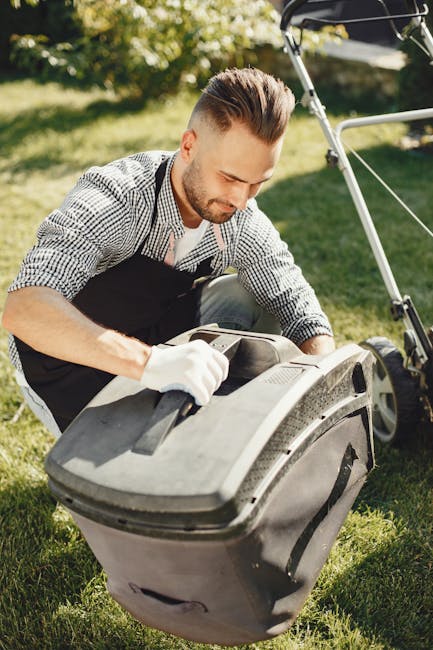
Fully insured Vauxhall gardeners liability and safety standards
If you are booking garden work in a busy London setting, insurance and safety should be near the top of your list. Not because it sounds impressive on a website, but because one loose paving slab, one cracked greenhouse pane, or one slip with a petrol tool can turn a simple tidy-up into a messy problem. That is exactly why Fully insured Vauxhall gardeners liability and safety standards matter so much. They protect you, your property, the people carrying out the work, and the job itself.
In practical terms, this topic is about more than having a policy tucked away in a filing cabinet. It is about whether a gardener works with proper public liability cover, sensible risk controls, trained habits, and a clear approach to hazards. This article breaks it down in plain English, with a focus on what good looks like, what to ask for, and how to spot a reliable service before they step into your garden.
For wider service details, it can help to review the company's services overview and, where relevant, the dedicated insurance and safety information and health and safety policy. Those pages give helpful context before you invite anyone onto your property.
Table of Contents
- Why liability and safety standards matter
- How the insurance and safety model works
- Key benefits and practical advantages
- Who this is for and when it makes sense
- Step-by-step guidance
- Expert tips for better results
- Common mistakes to avoid
- Tools, resources and recommendations
- Law, compliance and best practice
- Options and comparison
- Case study or real-world example
- Practical checklist
- Conclusion
- Frequently asked questions
Why Fully insured Vauxhall gardeners liability and safety standards Matters
Garden work looks gentle from the outside. Trim a hedge, cut a lawn, clear some debris, perhaps lift a few heavy bags. Easy enough, right? But anyone who has done proper outdoor work in London knows it can get awkward quickly. Wet paving, hidden roots, sharp tools, awkward access, parked cars, narrow side returns, children's toys left just where you least want them - the list goes on. Good insurance and safety standards are what stop these everyday issues becoming expensive or dangerous.
Public liability insurance is the one most customers think of first. In simple terms, it helps protect against accidental damage or injury connected to the work. That could be a stone flicked by a mower, a ladder slip, or damage caused while moving equipment through a tight front garden. It does not mean nothing can ever go wrong. It means there is a proper framework for dealing with the unexpected.
Safety standards matter just as much, sometimes more. Insurance is the safety net; safe working practices are the thing that prevents the fall in the first place. A conscientious gardener will look at access, weather, equipment condition, bystanders, trip hazards, biological waste, and disposal routes before starting. That may sound obvious, but let's face it, obvious things are often the first to get skipped when someone is rushing.
There is also a trust factor. When a gardener is willing to talk clearly about liability cover, equipment checks, and safe working methods, you usually get a better feeling for the whole service. It signals care, not just competence. And in a place like Vauxhall, where homes and communal spaces can be tightly packed, that care really does show.
How Fully insured Vauxhall gardeners liability and safety standards Works
Think of the process in three layers: insurance, operational safety, and customer communication. Each layer supports the others.
1. Insurance coverage
A properly insured gardener typically works with liability cover that reflects the kind of jobs they do. Smaller maintenance tasks, hedge trimming, and lawn care present a different risk profile from heavier clearance, tree work, or landscaping. The right insurance setup should reflect that reality rather than sitting there as a vague badge of reassurance.
Good practice is to keep the policy active, suitable for the work being undertaken, and easy to verify if a customer asks. If you are arranging larger projects, it is sensible to discuss the scope in advance. For example, tree-related jobs may need a different level of planning than a routine tidy-up or lawn mowing service.
2. Safety-first working methods
Before any cutting or lifting begins, a careful gardener should assess the site. That usually includes checking the ground for uneven areas, making sure tools are sound, identifying fragile surfaces, and deciding how waste will be moved without blocking paths or damaging borders. If the job involves branches, stored garden waste, or dense overgrowth, a more structured approach is needed. That is where a service such as garden clearance or tree lopping and removal needs especially careful handling.
Equipment matters too. A mower with a damaged guard, a trimmer with loose blades, or a ladder with unstable feet is not a small issue. It is a red flag. Proper standards mean equipment is checked, used correctly, and stored safely when not in use. Nothing glamorous about it. Just common sense, really.
3. Clear communication with the customer
Safety becomes much stronger when expectations are clear. That means confirming what will happen, where access is needed, whether pets or children need to stay clear, and what the customer should move before work begins. It also means being upfront about limitations. If a job needs extra time for safe setup, or if a particular area should not be touched because of fragile materials, say so early.
That sort of communication is especially useful in ongoing services like garden maintenance, where routine visits can be planned around seasonal changes, weather, and the condition of the site.
Key Benefits and Practical Advantages
The obvious benefit is protection from accidents. But the practical advantages go further than that.
- Reduced financial risk: If damage or injury occurs, liability cover can help manage the cost burden.
- Better peace of mind: You are less likely to feel anxious while work is underway.
- More disciplined working habits: Safety-conscious teams usually operate in a more organised way overall.
- Cleaner results: Work that is planned safely tends to be tidier and more consistent.
- Lower chance of disruption: Good preparation means fewer delays from preventable mistakes.
- Stronger trust: Insurance and safety talk a lot about professionalism without needing to shout about it.
There is another benefit people often miss: a safer job often looks better. A team that takes the time to protect borders, manage debris, and avoid rushed cutting usually leaves a sharper finish. In other words, safety and quality tend to travel together. Funny how that works.
For more involved outdoor upgrades, it also helps to work with teams that understand the risks associated with structural features and heavy materials. If you are considering hard landscaping, a landscaping service or decking services page may be useful for understanding how project planning and site safety fit together.
Who This Is For and When It Makes Sense
This matters for almost anyone hiring a gardener, but some situations make it especially relevant.
Homeowners with regular visits
If you have ongoing lawn care, hedging, pruning, or seasonal tidy-ups, you want consistency. A fully insured gardener brings continuity and reduces the risk that a small recurring task becomes a recurring headache. That is particularly true in homes with driveways, glass doors, ornaments, or shared access routes.
Landlords and managing agents
If a property is let or part-managed, the standard for documentation and safety should be higher, not lower. Tenants, neighbours, and common areas can all be affected by the work. Liability cover and a clear process can help keep everyone comfortable, even when the job is simply to make the outdoor space presentable.
Busy family homes
Children, pets, bikes, garden furniture, and the odd football left in the grass all raise the risk level. A reliable gardener will work around real life rather than pretending gardens are neat, empty showrooms. That practical awareness counts for a lot.
Properties needing clearance or restoration
If the garden has been neglected, overgrown, or cluttered for some time, safety planning matters even more. Hidden rubbish, uneven paving, insect nests, rot, and old timber can all create hazards. In those cases, a good garden clearance approach should include careful site assessment and proper removal methods.
Customers comparing quotes
Anyone comparing multiple providers should ask about insurance and safety as part of the decision, not as an afterthought. A very cheap quote may look appealing until you ask what happens if a mower chips a window or if someone trips over waste left on a path. That is the real test.
Step-by-Step Guidance
If you want to judge whether a Vauxhall gardener's liability and safety standards are genuinely solid, use this simple process.
- Check the service scope. What exactly is being done? Routine maintenance, hedge trimming, clearance, lawn care, or more technical work?
- Ask about insurance. A professional should be able to explain what cover is in place and why it fits the work.
- Review the site risks. Ask how they handle access, fragile surfaces, sharp tools, pets, children, and waste movement.
- Look for a written process. Good providers usually have a clear health and safety policy and related safety guidance.
- Confirm communication on the day. Will they let you know before starting? Will they flag anything unexpected before proceeding?
- Ask how waste is handled. Clearance and green waste disposal should be managed carefully, especially where recycling and sustainability matter.
- Keep a record. Save quotes, messages, and any notes about agreed access or special instructions. Simple, but useful.
One small but practical point: if a provider gets irritated by basic safety questions, that tells you plenty. A good one will answer clearly and without theatrics. No drama needed.
Expert Tips for Better Results
Here is the sort of advice that tends to make a real difference on the ground.
Start with the access route, not the task
Many garden jobs fail to go smoothly because the access plan was an afterthought. Measure the gate if needed, check for narrow side passages, and think about where tools, cuttings, and waste bags will go. A tidy route keeps the work safe and the property cleaner.
Separate delicate areas before the team arrives
If you have ornaments, pots, loose lighting, or items close to a work area, move them. It is not your job to do the gardener's job, of course, but a five-minute tidy-up beforehand can prevent unnecessary risk. The same goes for fragile paving or newly planted beds.
Be realistic about weather
Wet mornings, gusty afternoons, and slippery lawns all change the risk picture. Good safety standards are not fixed in stone; they adapt to the day. Sometimes the best decision is to trim later, not sooner. Sensible, not heroic.
Match the method to the job
A light maintenance visit should not be handled like a construction project. Equally, a substantial clearance should not be treated like a casual sweep-up. The provider should scale their precautions to the size and nature of the work. For more complex design or layout changes, landscape gardening support may be more appropriate than a simple maintenance visit.
Use seasonal judgement
Spring growth, summer heat, autumn leaf fall, and winter moisture all affect safety. A hedge that is easy to manage in dry weather may be slippery and awkward after rain. Timing matters, even if people like to pretend gardening is always a nice calm Saturday job. It rarely is.
Common Mistakes to Avoid
Plenty of garden jobs go wrong because nobody paused long enough to think through the risk. Here are the mistakes I see most often.
- Choosing on price alone. Cheap is not automatically bad, but price without clarity is a gamble.
- Not asking about liability cover. This should be routine, not awkward.
- Assuming all garden jobs have the same risk level. They do not. Tree work, clearance, and hard landscaping are different from mowing.
- Leaving hazards in place. Loose toys, hoses, stones, and garden tools can all become trip hazards.
- Skipping site checks. Hidden damage, soft ground, and uneven surfaces are easy to miss if the team is rushed.
- Ignoring waste handling. Bags, branches, and debris left in the wrong place can create hazards after the work looks "finished."
There is also a subtle mistake: thinking safety is only about accidents. It is not. Safety also includes avoiding damage, preserving access, and keeping the environment orderly enough that the job can be done properly. That broader view helps a lot.
Tools, Resources and Recommendations
You do not need to be an expert to make a better choice. A few simple resources and habits will do most of the work.
What to look for in service information
Check whether the company provides clear pages for its insurance and safety approach, pricing, and working policies. Those pages often reveal how seriously the business takes risk management. If you want to compare services thoughtfully, pricing and quotes can be a useful place to understand how the provider structures work rather than just how loudly they market it.
Documents and questions worth keeping
- A written quote with the job scope.
- Any notes on access, parking, or shared entrances.
- Confirmation of liability cover.
- Any special instructions about fragile areas or pets.
- Notes from phone calls if you discussed unusual risks.
Useful supporting pages
Some website pages are not glamorous, but they matter. A provider's about us page can give you a feel for its working style, while terms and conditions help set expectations around scope and responsibility. If you care about disposal methods and greener working habits, the recycling and sustainability page is worth a look too.
For customers who value clarity around service standards, the combination of a transparent safety policy, sensible pricing, and responsive communication usually tells the story better than any sales pitch. That is the practical truth of it.
Law, Compliance, Standards, or Best Practice
When people talk about garden insurance and safety in the UK, they often mix legal duties, industry expectations, and common-sense best practice. It helps to separate them.
Legal duties generally relate to safe working, preventing foreseeable harm, and handling property responsibly. The exact obligations vary by job type, business structure, and site conditions. It is sensible not to overstate the law if you are not looking at the specific circumstances. Still, any professional gardener should behave as though safety is non-negotiable.
Industry best practice usually includes risk-aware planning, trained use of tools, safe waste handling, and clear customer communication. For larger or more technical jobs, a provider may also need to consider equipment checks, access control, and task-specific safeguards.
Documentation is part of compliance too. A well-run business will often keep records of insurance, procedures, and job notes. That does not mean paperwork is the whole answer. It is just one sign that the business is organised.
For the customer, the best approach is simple: ask for clarity, check that the provider understands the work, and never feel pressured to skip safety questions. A reliable gardener will not mind. In fact, they will probably be relieved you asked.
Options, Methods, or Comparison Table
Not every garden job needs the same level of management. The table below shows how different types of work typically compare from a liability and safety perspective.
| Type of service | Main risks | Typical safety focus | What the customer should ask |
|---|---|---|---|
| Lawn mowing | Flying debris, slips, edging near borders | Machine checks, clear ground, safe perimeter control | How are stones, toys, and hidden items handled? |
| Hedge trimming | Height access, falling cuttings, sharp blades | Ladder stability, eye protection, controlled cutting | How do you manage overspray and nearby surfaces? |
| Garden maintenance | Routine low-to-medium hazards, repeated site exposure | Ongoing checks, tidy work areas, regular communication | Do you adapt the plan as the garden changes through the seasons? |
| Garden clearance | Hidden debris, heavy lifting, unknown sharp objects | Site assessment, careful segregation, safe removal routes | How do you deal with concealed hazards and waste sorting? |
| Tree lopping and removal | Falling branches, height risk, structural impact | Specialist planning, controlled work zones, stronger precautions | Is the team prepared for larger structural and access risks? |
| Decking or landscaping work | Materials handling, uneven ground, finishing hazards | Site preparation, safe lifting, finish-quality checks | How do you protect surrounding areas during the build? |
The comparison is simple, but useful: the bigger the risk, the more important it becomes to verify that the company has both the right cover and the right habits. That combination is what you really want.
Case Study or Real-World Example
Picture a small terraced property in Vauxhall on a damp Monday morning. The garden is tidy overall, but the hedge has grown over the path, a couple of planters are cracked, and a shallow step near the back door stays slippery when the weather is wet. Nothing dramatic. Just a very normal London garden, if we are honest.
The gardener arrives, walks the site, and pauses before starting. They note the step, move the loose items away from the hedge, and set a route for waste bags so they do not block the access way. They check the hedge trimmer, talk through where cuttings will land, and ask whether the side gate should remain shut because of a pet.
That is what good liability and safety standards look like in real life. Not paperwork on a desk. Not a grand speech. Just small, sensible actions that reduce risk before the work begins.
Now compare that with a rushed approach: tools out straight away, no site walk, bags left across the path, and no mention of fragile pots or the uneven step. Even if the work itself is done well, the process is shaky. And once you notice that, you cannot un-notice it. Best to choose the careful team from the start.
Practical Checklist
Use this checklist before booking or on the day of the job.
- Have I confirmed what work is included?
- Has the gardener explained their liability cover in plain language?
- Do I know how they handle site hazards and fragile surfaces?
- Are access routes, gates, parking, and entry points clear?
- Have I moved pets, toys, ornaments, and loose garden items?
- Have I mentioned any hidden issues, such as soft ground or broken paving?
- Do I understand how waste will be collected and removed?
- Is there a clear contact route if something unexpected happens?
- Have I looked at the provider's safety and policy pages?
- Does the quote match the level of work, risk, and preparation needed?
If you can tick most of those off, you are in a much better position. Simple checklist, but it saves trouble.
For ongoing upkeep, many customers also keep an eye on seasonal tasks like hedge trimming and routine garden maintenance, because recurring work tends to go smoother when expectations are clear from the outset.
Conclusion
Fully insured Vauxhall gardeners liability and safety standards are not just a reassurance feature. They are part of what makes a gardening service dependable, respectful, and worth trusting around your home. Insurance helps protect against the unexpected; safety standards help reduce the chance of the unexpected in the first place. Together, they create a proper professional baseline.
If you remember only one thing, let it be this: a good gardener does not treat insurance and safety as add-ons. They treat them as part of the job. That mindset usually leads to better work, fewer surprises, and a calmer experience for everyone involved. And honestly, that peace of mind is worth a great deal.
If you are ready to compare options or want to ask a few sensible questions before booking, start with the company's service information and policy pages, then choose the team that communicates clearly and works carefully. Little things matter here. They really do.
Get a free quote today and see how much you can save.
And if you are still weighing up your options, take your time. The right choice should feel steady, clear, and quietly reassuring.
Frequently Asked Questions
What does fully insured mean for a gardener in Vauxhall?
It usually means the gardener has appropriate cover in place for the type of work they carry out, especially liability protection for accidental damage or injury linked to the job. The exact cover can vary, so it is reasonable to ask what is included.
Why should I care about liability insurance if the job is small?
Even small jobs can go wrong in surprising ways. A mower can strike debris, a tool can slip, or a hidden surface issue can cause damage. Small jobs are not automatically low risk.
What safety standards should a good gardener follow?
At minimum, they should assess the site, check tools, manage access carefully, control hazards, and communicate clearly with the customer. For bigger jobs, they should scale those precautions up.
Is public liability insurance the same as safety compliance?
No. Insurance helps deal with the consequences of an incident, while safety compliance and best practice help reduce the chance of that incident happening. You need both.
Should I ask to see proof of insurance?
Yes, that is a sensible question. A professional provider should be comfortable explaining their cover and answering basic questions about it.
Do hedge trimming and tree work need different safety approaches?
Yes. Hedge trimming is often lower risk than tree work, which can involve height, falling branches, and more complex site planning. The safety approach should reflect the task.
How do I know if a gardener is careful with my property?
Look for clear communication, a proper site walk, protection for fragile areas, tidy waste handling, and sensible questions about access, pets, or parking. Those are good signs.
What should be included in a quote for insured garden work?
A good quote should explain the scope of work, any special conditions, and how the job will be handled. If the task is more involved, there should be enough detail to show the provider has thought it through.
Can safety standards affect the final quality of the garden work?
Absolutely. Safe work is often more organised work. When a team plans properly, the finish tends to be neater and the chance of avoidable mess is lower.
What if I have pets or children at home during the visit?
Tell the gardener in advance. A responsible team will plan around it, keep tools secure, and avoid leaving hazards where little feet or curious paws can wander. That part matters a lot, actually.
Are garden clearance jobs riskier than regular maintenance?
Usually, yes. Clearance can hide sharp objects, rot, heavy waste, and poor ground conditions, so it needs a more careful approach than routine upkeep.
What is the best next step if I want reassurance before booking?
Review the provider's insurance and safety information, check their service details, and ask direct questions about the work you need. If you want more context, the contact page is the obvious place to start a conversation.