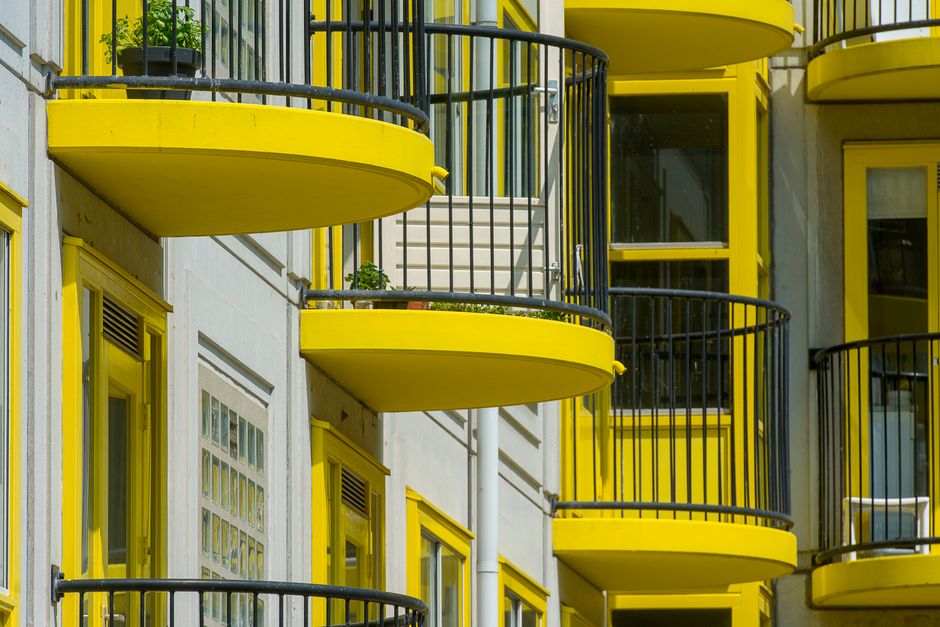
Vauxhall Station balconies gardeners insider tips
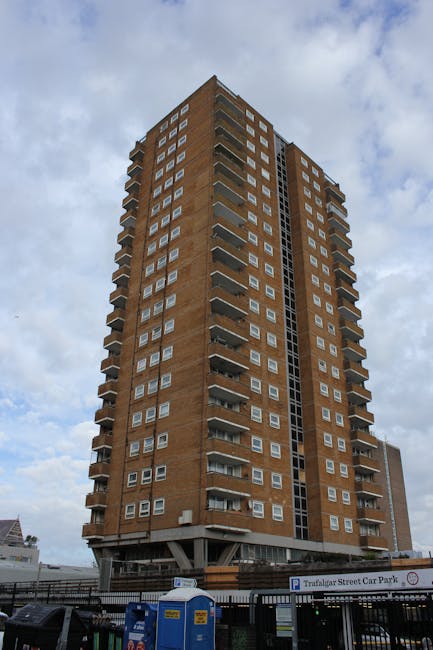
Balcony gardening around Vauxhall Station is a bit different from working with a back garden. You've got wind, shade from taller buildings, limited depth, awkward access, and neighbours very close by. But that does not mean you're stuck with a lonely pot and a sad plastic chair. With the right Vauxhall Station balconies gardeners insider tips, even a narrow flat balcony can feel calm, private, and properly alive.
This guide is written for people who want practical, local, no-nonsense advice. We'll cover what makes balcony gardening in this part of London tricky, how experienced gardeners approach it, which plants and materials tend to work best, and how to avoid the common mistakes that waste time and money. If you're thinking about a full refresh, a lighter tidy-up, or just trying to stop your plants from turning crispy by Thursday, you're in the right place.
Expert summary: The best balcony gardens near Vauxhall Station are usually the simplest ones: lightweight, wind-aware, easy to water, and designed around how the space actually behaves at different times of day.
Why Vauxhall Station balconies gardeners insider tips Matters
Vauxhall is busy, bright, exposed, and very urban. That sounds obvious, but it matters more than people expect. A balcony here is often dealing with fast-moving air currents, reflected heat from glass and brick, and sudden patches of shade from nearby buildings. One minute the space feels warm; the next it feels like a little wind tunnel. That means "standard" garden advice can fall apart quickly.
Good balcony gardening is not just about choosing pretty plants. It is about choosing plants, containers, layout, and maintenance habits that suit a compact, elevated space. If you get those basics right, the balcony becomes easier to live with and easier to keep tidy. If you get them wrong, you end up chasing dead leaves, spilled compost, and water running everywhere. Not ideal on a Tuesday morning before work.
For many residents, the real value is not only visual. It's the atmosphere. A well-planned balcony can soften traffic noise, give you privacy, and make a flat feel larger. That kind of space also works across the seasons, from a spring tidy-up to a winter windproof setup. If your balcony includes timber features or decking underfoot, it may also be worth reviewing ideas from decking services and broader landscape gardening support to make the area safer and more usable.
And there's another reason it matters: balcony gardens are often judged by how they look from inside the home. A good setup should look good from the kitchen window, not just from a chair outside. That small shift changes everything.
How Vauxhall Station balconies gardeners insider tips Works
The working principle is simple: treat the balcony as a microclimate, not a miniature version of a ground-level garden. The sun, wind, drainage, and weight limits all affect what will thrive. Experienced gardeners usually start by reading the space before they plant anything. That means looking at light patterns through the day, checking where gusts hit hardest, and noticing where water drains or pools after watering or rain.
From there, the design process tends to follow a few practical decisions:
- Light: south-facing balconies can be hot and bright; north-facing ones are often cooler and shadier.
- Wind: higher floors usually need sturdier pots, lower planting, and less top-heavy arrangement.
- Weight: balconies are not the place for oversize soil volumes without checking capacity first.
- Watering: containers dry out quickly, especially in summer or on breezy days.
- Access: if carrying watering cans through your flat is a pain, irrigation and grouping matter a lot.
Once the conditions are understood, you can build layers. A base layer might be durable planters and a tidy floor surface. A middle layer might be evergreen structure, herbs, or low shrubs. A top layer might be seasonal colour or trailing plants softening the edges. It sounds simple, but a few smart decisions make a small space feel much more finished.
In practice, most successful balcony gardens work best when they are lightweight, low-spill, and easy to maintain. That's the real insider tip, if we boil it down. Fancy isn't the goal. Reliable is.
Key Benefits and Practical Advantages
A well-managed balcony garden delivers more than decoration. The benefits stack up quickly, especially in a busy London setting where outdoor space is at a premium.
1. Better use of limited space
Balcony gardening turns vertical and awkward areas into usable green space. Hanging planters, railing pots, and compact trellis systems let you grow more without blocking walkways or doors. It's a good fit for people who want plants but do not have room for a full garden.
2. Easier everyday enjoyment
Because the balcony sits right outside your living area, you see it often. That means you actually enjoy the work you put into it. You notice the scent of herbs after rain, the movement of leaves in the wind, the small changes each week. Honestly, that matters more than many people think.
3. Improved privacy and comfort
With careful planting, screens, and layout, a balcony can feel less exposed. Strategic greenery softens sightlines from neighbouring buildings and gives a sense of enclosure without making the space dark. A cramped balcony can suddenly feel like a little retreat.
4. Lower maintenance than many assume
A good setup does not need constant fuss. Choose suitable containers, drought-tolerant plants, and a sensible watering rhythm, and you can keep things manageable. If your wider garden or outdoor space needs periodic care as well, pairing balcony work with garden maintenance can keep the whole property in better shape.
5. A more attractive home overall
Well-finished balcony planting adds value in the everyday sense: it makes the flat more pleasant to live in. When guests arrive, it creates a nice first impression. When you come home after a long day, it gives you a softer place to land.
Who This Is For and When It Makes Sense
Not every balcony needs a full garden makeover. Sometimes a couple of well-chosen pots are enough. But this approach makes sense if you recognise any of the following:
- You have a small balcony that feels bare or underused.
- Your current plants keep struggling with wind or sun.
- You want a cleaner, more cohesive look without clutter.
- You need a low-maintenance setup because you travel or work long hours.
- You're trying to make the space safer and more practical for everyday use.
- You want more privacy, especially in a dense urban setting.
It also makes sense if you already know that your balcony has a few quirks. Maybe the afternoon sun gets intense. Maybe water drips to the floor below. Maybe your space is awkwardly narrow and you are forever sidestepping one oversized planter. That's all fixable, to be fair, but only if you plan around it.
For homeowners and landlords, balcony improvements can also be part of broader exterior care. If you are refreshing more than one outdoor area, it can be useful to review the full range of local services through the services overview and decide what genuinely needs professional support versus what you can manage yourself.
Step-by-Step Guidance
Here's a practical way to approach a balcony garden without overcomplicating it.
Step 1: Assess the space honestly
Measure the usable area. Then measure it again if the balcony has an awkward corner or a fixed railing. Check how much light it gets in the morning and late afternoon. Look for wind tunnels, door swing space, and places where water might collect. This is the unglamorous part, but it saves money later.
Step 2: Decide the purpose
Do you want a place for herbs, a visual screen, a sitting area, or a mix of all three? If you do not define the purpose, the space becomes a jumble of almost-useful items. A balcony with one clear main function always feels calmer.
Step 3: Choose the right containers
Pick pots that are stable, not top-heavy, and suitable for the size of the plant. Lightweight materials are often helpful, but they still need enough weight to stay put in a breeze. Drainage matters too. A pot without drainage holes is asking for trouble, and usually sooner than you'd like.
Step 4: Build from structure first
Start with the bigger items: planters, screens, and perhaps one seat or bench. Then add the plant layers. If you begin with too many small decorative bits, the space can feel busy before it feels finished. Structure first. Decoration second.
Step 5: Plant for the conditions, not the wish list
This is where people go wrong most often. It is tempting to buy whatever looks nicest at the garden centre, but balcony plants need to match the exposure. Choose reliable plants for your light level, and do not overload the space with delicate varieties if wind is a constant problem. Herbs, compact evergreens, and well-behaved seasonal flowers often work well.
Step 6: Set up watering and feeding habits
Balcony containers dry out faster than garden beds. A watering routine is not optional. In warm spells, you may need to water early in the morning or later in the evening so the soil holds moisture better. Feed containers regularly during the growing season, but do not overdo it. More feed is not always better. Plants can sulk, and some will do it dramatically.
Step 7: Finish with a tidy, easy-care layout
Leave enough walking space. Keep heavy items low. Avoid placing anything where wind can catch it and throw it. If you can sweep the area quickly and water without knocking things over, you've probably got the layout right.
Expert Tips for Better Results
This is the part people usually want, the little insider details that make the difference between "nice enough" and "actually good".
Work with layers, not clutter
Use vertical height carefully. A few taller items can frame the space, but too many tall objects make a balcony feel crowded. Keep the tallest pieces at the back or corners, then step down with medium and low planting. Your eye will read the space more comfortably.
Choose foliage as seriously as flowers
Flowers bring colour, but foliage gives the garden its shape for most of the year. Different leaf textures, shades of green, and variegation can make a small space look richer without needing constant replanting.
Use weight strategically
Heavy pots are useful in windy spots, but too much weight in the wrong place is not wise. Spread the load rather than clustering it all in one area. If you are unsure, get advice before placing large planters or timber features.
Think about watering access before buying plants
If a plant looks beautiful but is awkward to reach every day, you may end up resenting it. And that is no way to garden. Grouping plants with similar water needs in the same area reduces hassle and helps you stay consistent.
Keep a simple maintenance rhythm
Every week, remove dead flowers, check leaves, and rotate pots if one side is getting more light. Every month or so, inspect drainage holes and the condition of compost. It sounds small, but these checks stop problems building up.
Use scent with restraint
A single fragrant plant near the seating area can be lovely. Too many scented plants crammed together, especially in a confined space, can feel overpowering. One strong scent is enough. Maybe two. More than that and it can get a bit much.
Be realistic about storage
Balconies often become storage zones by accident. Spare cans, folded chairs, plant bags, and tools can overrun the space fast. If you need storage, make it deliberate and tidy. Don't let the balcony become the place where everything with nowhere else to go ends up.
Common Mistakes to Avoid
The biggest balcony gardening mistakes are rarely dramatic. They're usually small decisions that add up.
- Using containers that are too small: roots dry out quickly, and plants become stressed.
- Ignoring wind exposure: brittle stems, broken supports, and toppling pots are common results.
- Overcrowding the floor: the balcony stops feeling usable.
- Choosing thirsty plants without a watering plan: they wilt, then fail, then get replaced, which is frustrating and expensive.
- Letting drainage become messy: excess water can stain surfaces or inconvenience neighbours below.
- Buying everything at once: the space fills too fast and usually with the wrong mix.
- Forgetting seasonal change: what looks lush in June may look bare by November if there is no year-round structure.
One of the more common issues in busy urban settings is people treating the balcony like a display shelf rather than a living system. It is living. It changes. If you accept that early, you make better choices and waste less effort.
Tools, Resources and Recommendations
You do not need a giant kit to manage a balcony garden properly, but a few basic tools make life easier.
- Compact watering can or hose alternative: useful for regular watering without flooding the floor.
- Hand trowel and small fork: enough for planting and refreshing compost.
- Good-quality compost and slow-release feed: container plants depend on what you give them.
- Stable plant supports or ties: helpful for climbers and taller stems.
- Lightweight but sturdy planters: a smart balance for balconies, especially on upper floors.
- Soft brush or small broom: keeps the space clean and pleasant to use.
If the balcony garden is part of a wider property refresh, you may also want to look at garden clearance for clearing old pots or debris, especially before a redesign. For outdoor surfaces that need regular tidying, pairing it with lawn mowing or hedge trimming can help maintain the overall look of the property, even if those services are more relevant to a larger garden than the balcony itself.
And if you are comparing options or planning a broader outdoor project, a clear quote process matters. You can review pricing and quotes before deciding how much of the work you want handled for you.
Law, Compliance, Standards, or Best Practice
Balcony gardening in London is not just a matter of taste. There are practical and safety considerations too. While exact responsibilities can vary depending on the building, lease, and management arrangements, it is always sensible to think about load, drainage, fire safety, neighbour impact, and safe access.
In plain English, that means:
- Do not overload the balcony with heavy planters or large quantities of wet compost.
- Keep walkways clear so doors open freely and nobody trips.
- Make sure water does not drip in a way that creates nuisance below.
- Use stable containers and secure items that could be blown over.
- Check whether your building has rules about external fixtures, screening, or drainage.
For contractors or property owners arranging work, it also helps to understand how a company handles safety and insurance. A reputable business should be able to talk plainly about risk management and working safely around a residential property. You can see how this is approached through the site's health and safety policy and insurance and safety information. If sustainability matters to you, it is also worth checking recycling and sustainability practices, especially when removing old containers, soil, or broken materials.
One more practical point: if you are unsure about building-specific restrictions, ask before installing anything permanent. It saves awkward conversations later. Sometimes a five-minute check prevents a five-hour headache.
Options, Methods, or Comparison Table
Different balcony setups suit different lifestyles. The table below gives a simple comparison of the main approaches people tend to choose.
| Approach | Best for | Pros | Watch out for |
|---|---|---|---|
| Minimalist container setup | Busy people, renters, small balconies | Easy to maintain, flexible, neat | Can feel sparse if under-planted |
| Herb-and-edible balcony | Home cooks and practical gardeners | Useful, fragrant, rewarding | Needs regular watering and harvesting |
| Privacy-focused green screen | Overlooked balconies | Softens views, feels more secluded | May need careful plant choice and support |
| Decorative seasonal display | People who enjoy changing colour | Bright and expressive | Higher upkeep through the year |
| Low-maintenance evergreen layout | Long-term, easy-care use | Reliable all year, less replacement | Can look static without small accents |
If you are not sure which route to take, the safest option is usually a hybrid. A few evergreens for structure, a couple of seasonal plants for colour, and maybe herbs if you'll actually use them. Simple, but it works.
Case Study or Real-World Example
Here's a realistic example from the sort of balcony many Vauxhall residents have: narrow, north-west facing, a bit windy in the afternoon, with one chair, a folded table, and two mismatched pots that had seen better days. The owner wanted it to feel calm but not fussy. Fair enough.
The first step was clearing out anything broken or too heavy. Then the layout was reset around three zones: a back line for structure, a middle line for medium-height planting, and one open section for sitting. Instead of using several thirsty flowering plants, the scheme relied on reliable foliage, a small selection of herbs, and one trailing plant to soften the railing.
The biggest change was not the plants themselves, though they mattered. It was the rhythm. Watering became easier because the pots were grouped by need. The balcony stayed tidier because there were fewer random objects around. And the owner could actually sit out there without moving things first. Small win. Big difference.
That kind of result is typical when the design respects the balcony rather than fighting it. Truth be told, that is where the best gardens come from anyway.
Practical Checklist
Use this before buying anything new or arranging a refresh.
- Measure the balcony properly.
- Check light, shade, and wind patterns at different times of day.
- Confirm what the balcony can safely hold.
- Decide the main purpose: seating, privacy, herbs, or display.
- Choose containers with drainage holes.
- Keep walkways and doors clear.
- Group plants with similar watering needs together.
- Pick at least one evergreen or structural element.
- Plan for easy watering access.
- Leave room for cleaning and seasonal changes.
- Review any building rules before fitting anything fixed or semi-permanent.
- Set a simple weekly maintenance routine.
If you can tick most of those off, you are already ahead of the game.
Conclusion
Vauxhall Station balconies gardeners insider tips are really about balance: enough greenery to soften the space, enough structure to make it usable, and enough realism to keep it manageable through the year. The best balcony gardens in London are rarely the most elaborate ones. They are the ones that suit the light, handle the wind, and fit into everyday life without becoming a chore.
Start with the conditions you actually have. Build slowly. Keep it simple where you can. And if your balcony is awkward, windy, or just a bit stubborn, that does not mean it cannot become something lovely. It usually just means it needs a smarter plan.
If you want help turning a compact outdoor space into something cleaner, greener, and easier to care for, explore the site's relevant services and find the right starting point for your property. A well-thought-out balcony can lift the whole flat, and sometimes that little outside corner becomes the place you end up using most.
Get a free quote today and see how much you can save.
Frequently Asked Questions
What makes balcony gardening near Vauxhall Station different from a normal garden?
Mostly the exposure and the scale. Balconies are smaller, windier, and more dependent on containers. They also dry out faster, so the planting and maintenance approach has to be much more deliberate.
Which plants usually work best on a windy balcony?
Hardier, compact plants with sturdy stems usually perform better than delicate ones. Many people do well with evergreen structure, herbs, and tough seasonal plants rather than choosing soft, sprawling varieties.
How often should balcony plants be watered in London?
There is no single rule, because weather and container size matter a lot. In warm or windy periods, you may need to water more than once a week, sometimes more often. Check the soil rather than guessing.
Can a small balcony still look full and stylish?
Yes, absolutely. The trick is to use layers, not clutter. A few good planters, one or two taller elements, and some trailing or textured planting can make a very small space feel complete.
Do balcony gardens need professional help?
Not always. Many people manage simple setups themselves. Professional support becomes useful when the space is awkward, the layout needs redesigning, or there are safety and access concerns.
How do I stop pots from blowing over?
Use heavier or more stable containers, keep taller plants low or protected, and avoid putting lightweight objects where gusts can catch them. Grouping and placement matter as much as the pot itself.
What's the easiest balcony garden to maintain?
A low-maintenance mix of structural evergreens, a few hardy plants, and containers that are easy to reach is usually the easiest to live with. Simple layouts are often best.
Can I use decking on a balcony?
Sometimes, but it needs to be appropriate for the building and installed safely. If you are considering a more finished surface, it is sensible to look at decking services and make sure any materials suit the space.
What should I check before adding planters to a balcony?
Check weight, drainage, access, and building rules. It is also wise to think about how water will behave so you do not create run-off issues or a slippery floor.
How do I keep a balcony garden tidy through winter?
Reduce clutter, keep evergreen structure in place, remove damaged plants, and make sure containers are secure. Winter can be brutally honest about weak choices, so it helps to keep the scheme simple.
Where can I get help with wider garden upkeep alongside my balcony?
If your balcony is part of a broader outdoor refresh, services such as garden maintenance, garden clearance, and the wider services overview can help you plan the bigger picture.
How do I ask for a quote without overcommitting?
Start with a clear idea of what you want changed, what the space currently looks like, and whether you need design, clearance, or ongoing upkeep. That usually leads to a more accurate and useful conversation. You can review pricing and quotes before deciding.